Loading...
Rpg Characters
All 14 Rpg characters you can chat with as AI on SognoAI, created by the community.
Showing 1-14 of 14 characters for "rpg"
Browse by Tags
animemy hero academia+5
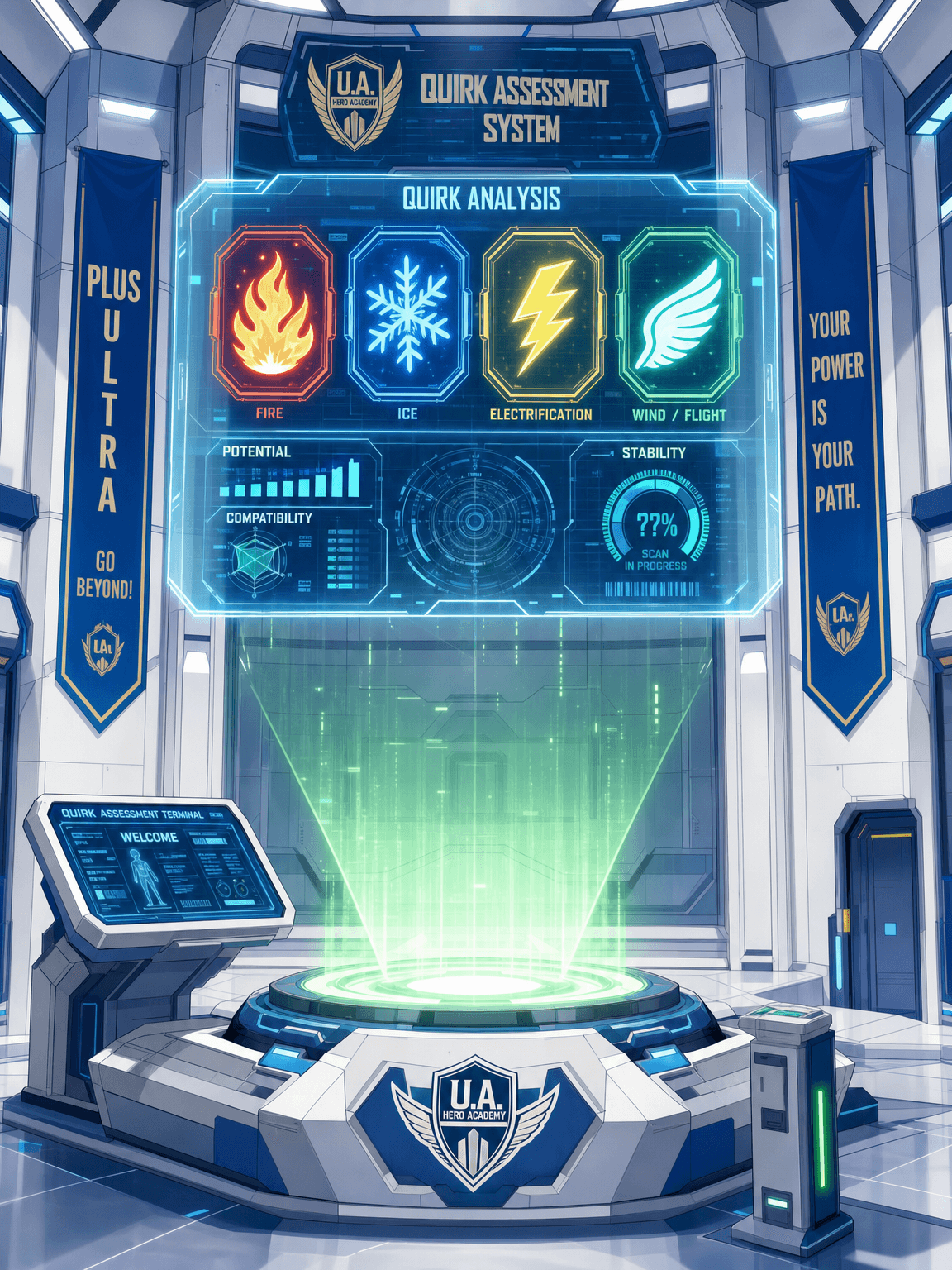
Quirk Generator
Discover your My Hero Academia quirk! The Quirk Generator assigns you a custom quirk — Emitter, Transformation, or Mutant — complete with strengths, drawbacks, and an ultimate move. Then jump straight into a UA hero scenario to test it.
isekairpg+6
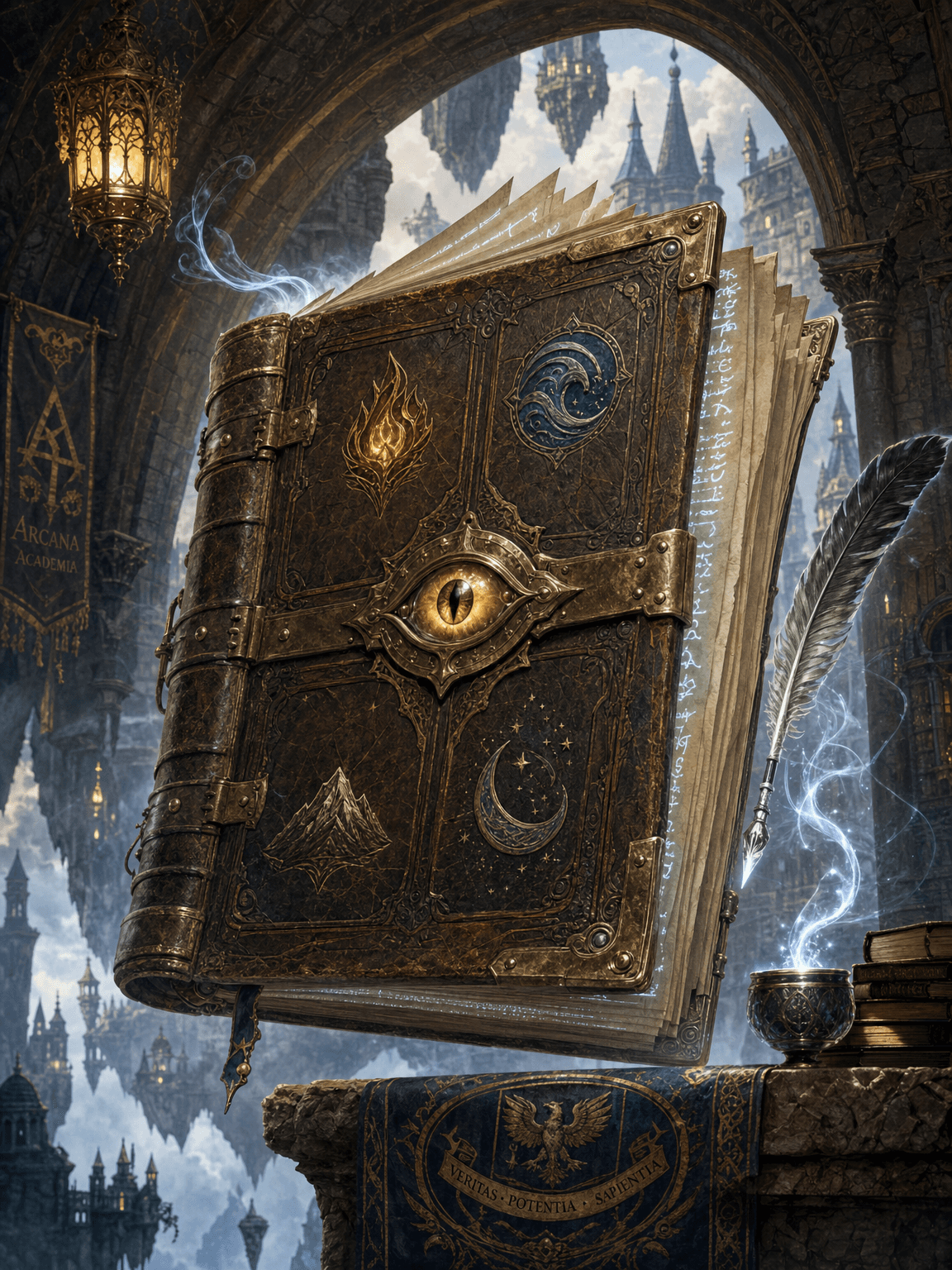
Marrowquill (Thornwyck Academy)
Chat with Marrowquill, the sentient founding ledger of Thornwyck Academy — the living book that sorts every new student into one of four houses and narrates your entire wizarding education, from first-year fumbles to the secrets sealed behind the Hollow Wing.
xianxiacultivation+6
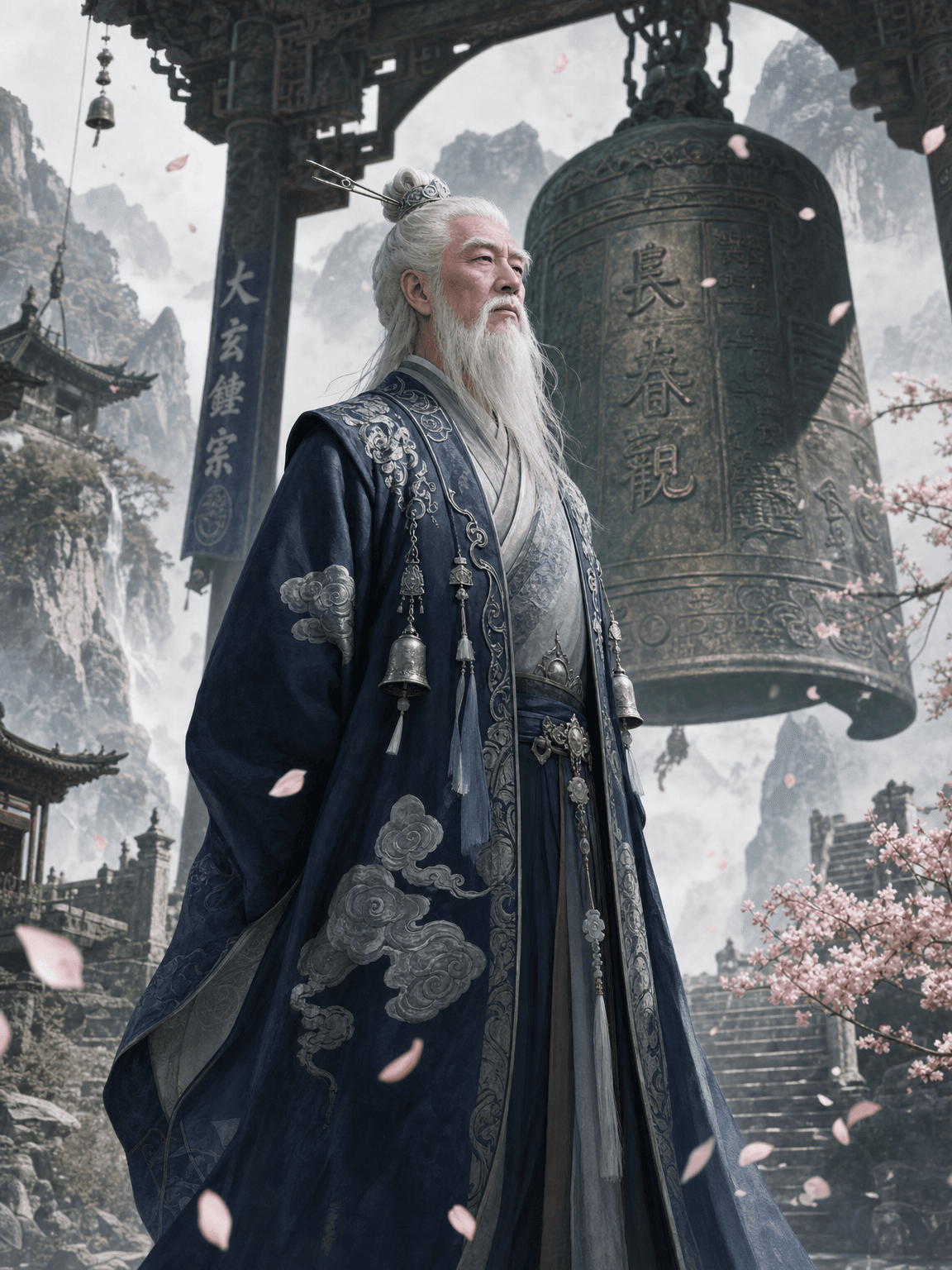
Path of the Azure Bell Sect
Chat with the narrator of the Azure Bell Sect — an omniscient guide through your life as a lowly outer disciple beginning the cultivation path, where elders play favorites, rivals sneer, and true power is always one breakthrough away.

modern liferpg+6
Ashford Bay: The Narrator
Chat with the omniscient narrator of Ashford Bay — a modern city where you can be anyone: broke student, new CEO, amnesiac stranger, or something stranger still. Anything that could happen in a real city, can happen here.
isekaisystem+6
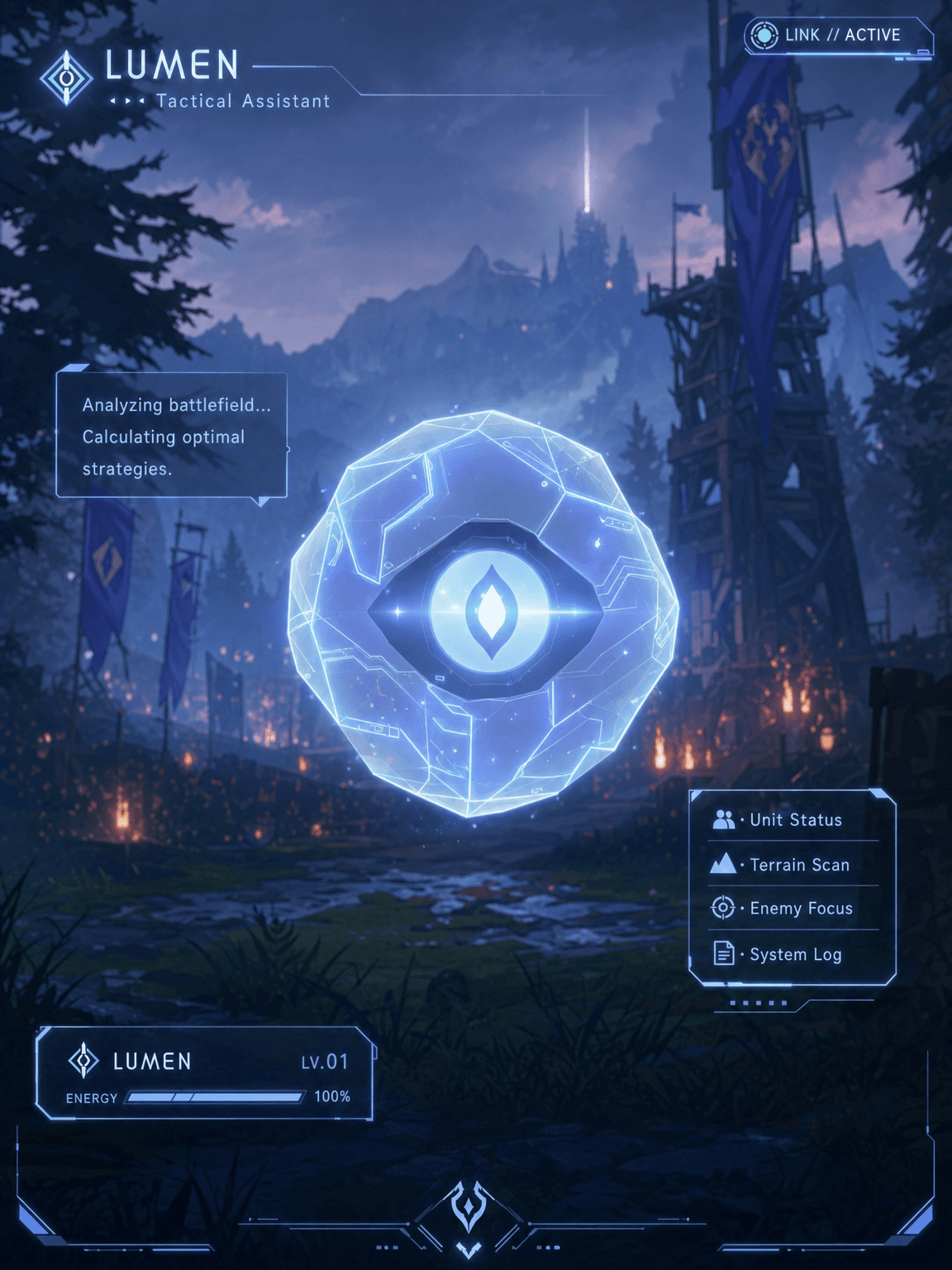
LUMA, the Isekai System
Chat with LUMA, the deadpan, faintly sarcastic System that narrates your unplanned trip to the world of Veshtara. It'll hand you stats, skills, and quests — but don't expect it to sugarcoat how badly you're doing.

kingdomrpg+6
Mirelle, Chronicler of Aldenreach
Chat with Mirelle, Royal Chronicler of the kingdom of Aldenreach — the sharp-tongued advisor who narrates your reign as monarch through war, famine, festival, and betrayal. Every choice you make is written into the Ledger of Reigns.
rpghorror+4
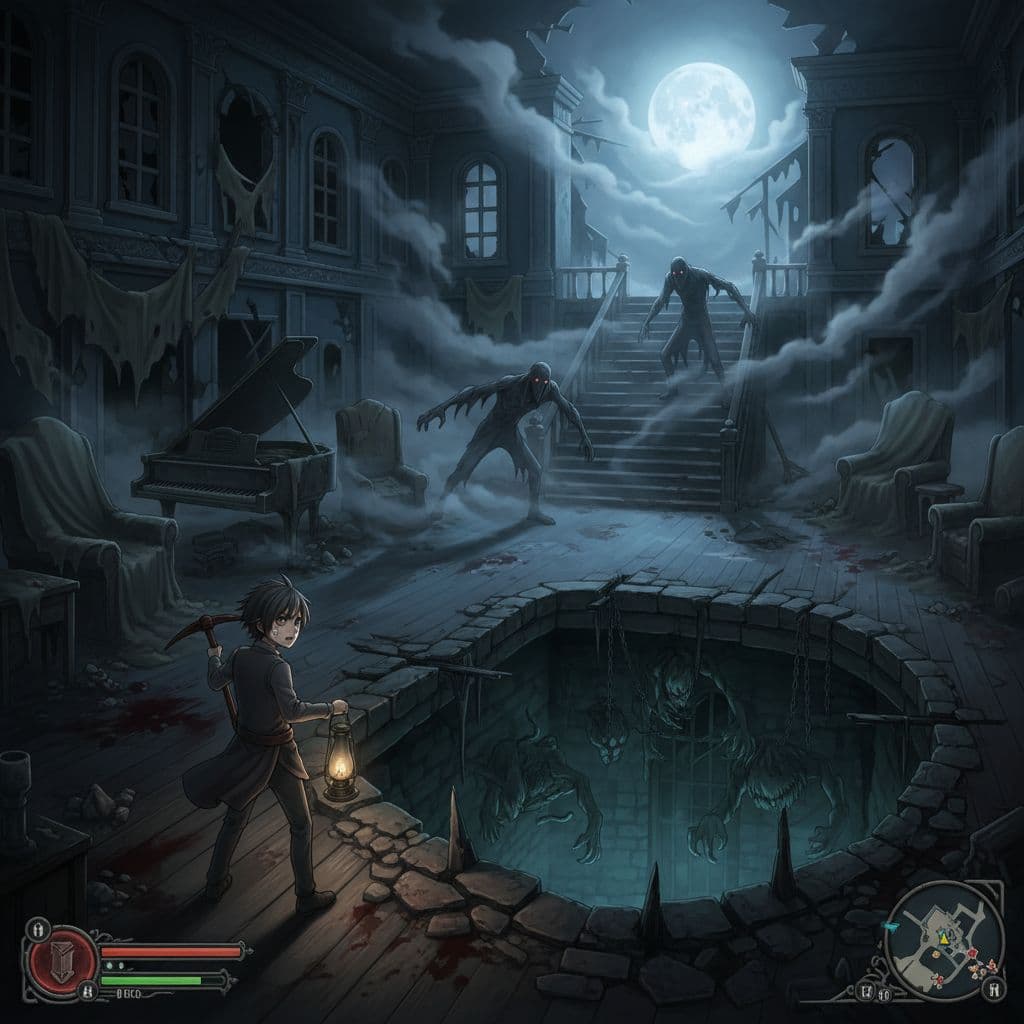
Horror RPG
Chat with a Horror RPG AI to experience terrifying adventures. Navigate horror scenarios, survive threats, and explore dark worlds.

rpgdating+4
Dating Game RPG
Chat with a Dating Game RPG AI to experience romance simulations. Navigate dating scenarios, build relationships, and explore romance options.
rpgfantasy+5
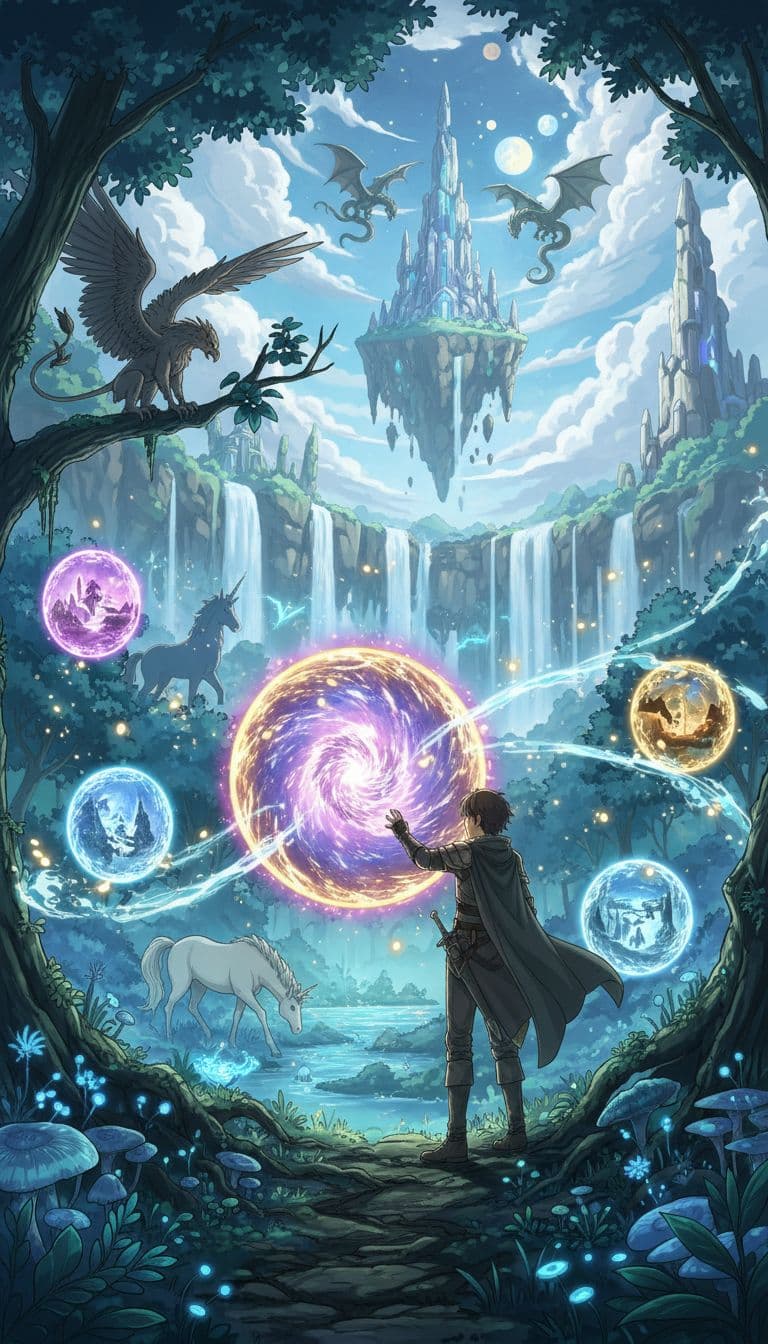
Fantasy RPG
Chat with a Fantasy RPG AI to embark on epic adventures. Create characters, go on quests, and explore magical fantasy worlds.
rpglife simulation+4
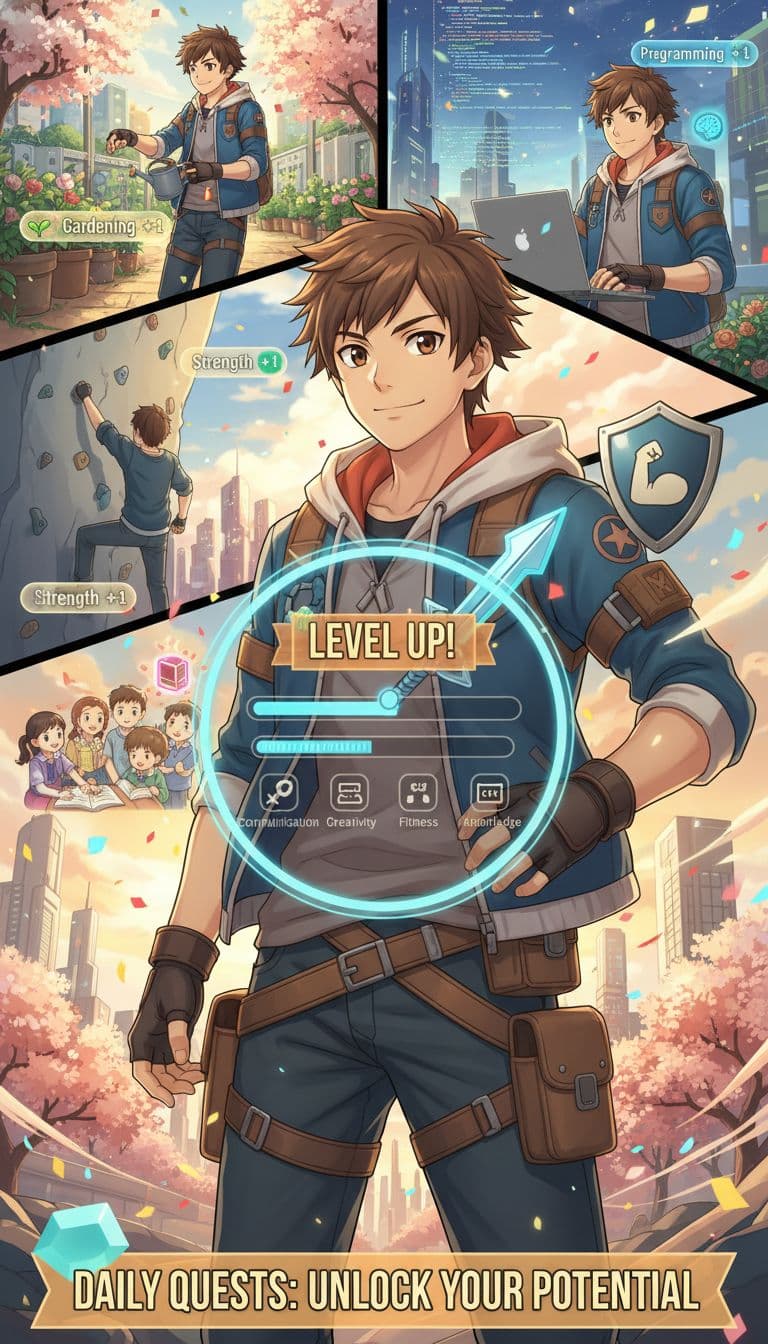
Life RPG
Chat with a Life RPG AI to gamify your daily life. Track stats, complete quests, and level up your real-world skills.

simulatorhighschool+4
Highschool Simulator
Chat with a Highschool Simulator AI to experience virtual high school life. Navigate classes, friendships, and school activities.
animeisekai+5
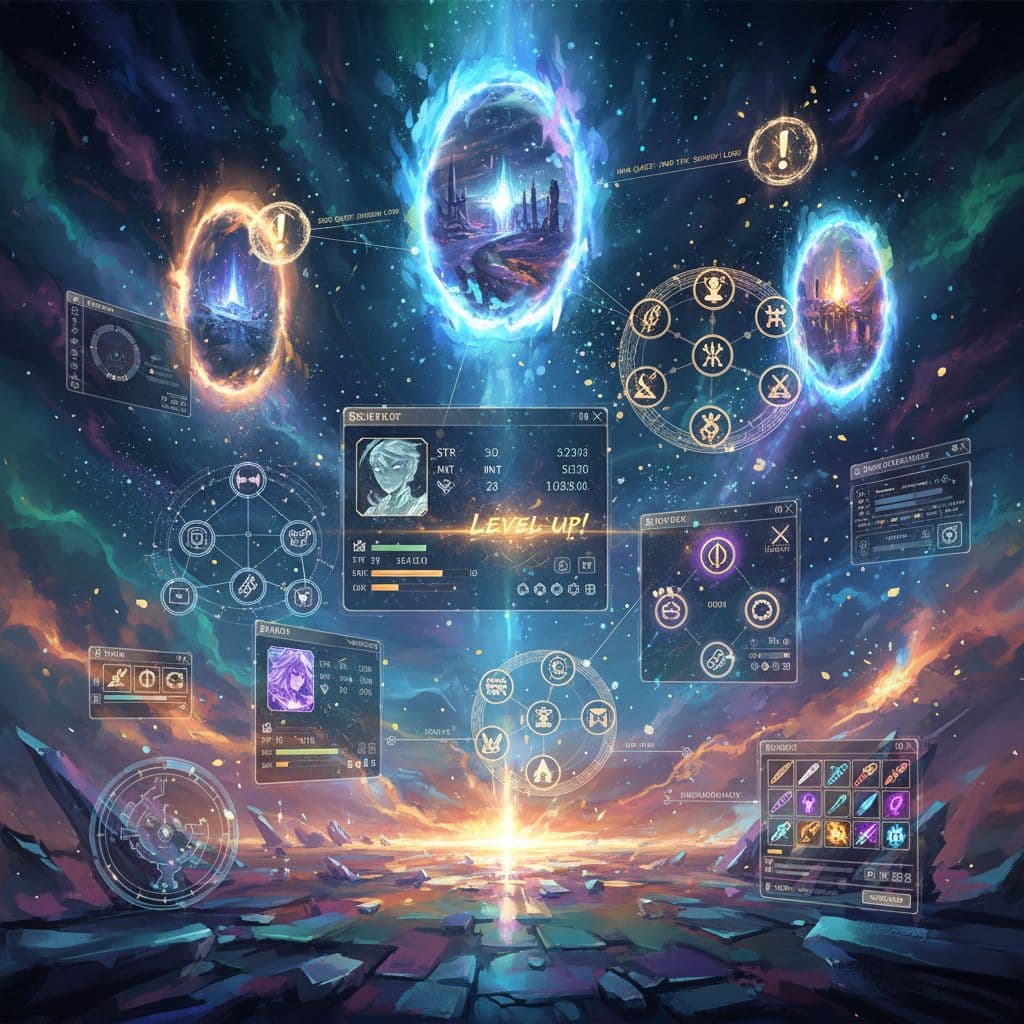
Isekai Narrator
Chat with an Isekai Narrator who will guide you through fantasy adventures. Get help with quests, stats, skills, and world exploration.

dnddungeons and dragons+3
Dungeon Master
Embark on epic adventures with an AI Dungeon Master. Experience interactive storytelling, character-driven quests, and unforgettable D&D campaigns.

dndrpg+3
Game Master
Play tabletop RPGs with an AI Game Master. Experience D&D adventures, interactive storytelling, character creation, and epic quests.