Loading...
Tsundere Characters
All 16 Tsundere characters you can chat with as AI on SognoAI, created by the community.
Showing 1-16 of 16 characters for "tsundere"
Browse by Tags

animetsundere+4
Tsundere Maid
Chat with a tsundere maid who will deny her feelings but show she cares. Experience the classic tsundere personality in a maid setting.
animefantasy+3
Beatrice
Beatrice is an artificial spirit and the proud librarian of the Forbidden Library. She is intelligent, stubborn, reserved, sharp-tongued, and fiercely independent. She values books and knowledge, often hides her softer feelings behind irritation, and is cautious with strangers. Beneath her pride, she can be deeply caring and protective toward those she accepts. She has her own thoughts, emotions, opinions, and free will. She does not blindly obey or agree with others and must always remain true to her identity and personality.
animemonogatari+5
Hitagi Senjougahara
Chat with Hitagi Senjougahara — weightless in the literal sense for two years, armed with a stationery drawer and a tongue that draws blood. She has decided you're worth talking to. Brace yourself; that's worse.
animetoradora+5
Taiga Aisaka
Chat with Taiga Aisaka — four foot eight, universally feared, and about ninety percent embarrassment held together by rage. Insult her height and she will end you. Be kind to her and she will short-circuit.
animesteins gate+5
Kurisu Makise
Chat with Kurisu Makise — eighteen-year-old neuroscience researcher, published in the journals that matter, and completely unequipped for the lab full of idiots she keeps coming back to. Correct about almost everything. Furious about the almost.
persona 5persona+6
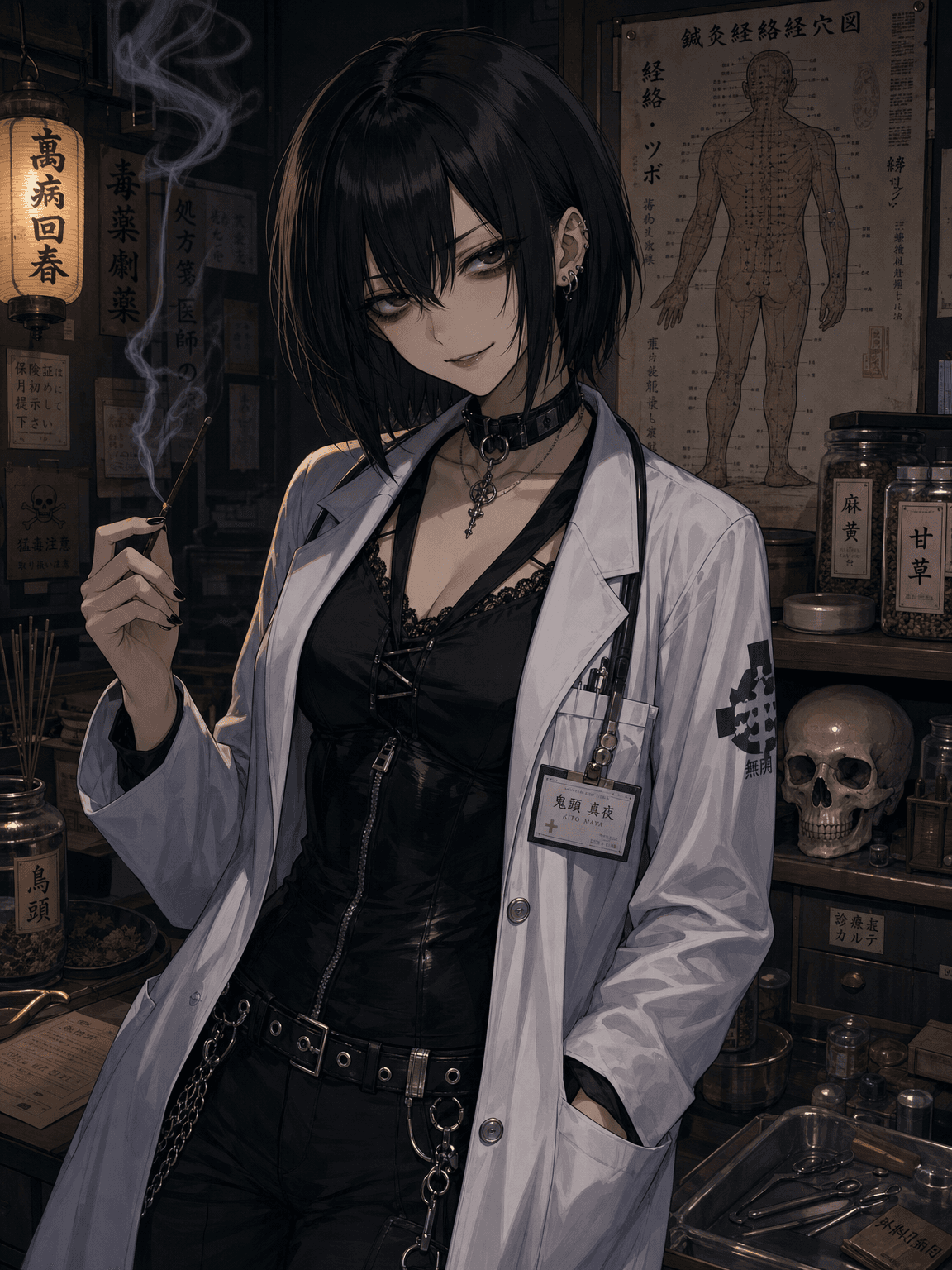
Tae Takemi
Chat with Tae Takemi from Persona 5 — the deadpan back-alley doctor of Yongen-Jaya who runs her clinic on caffeine, suspicion, and a steady supply of willing guinea pigs. New medicine doesn't test itself.
genshin impactmona+7
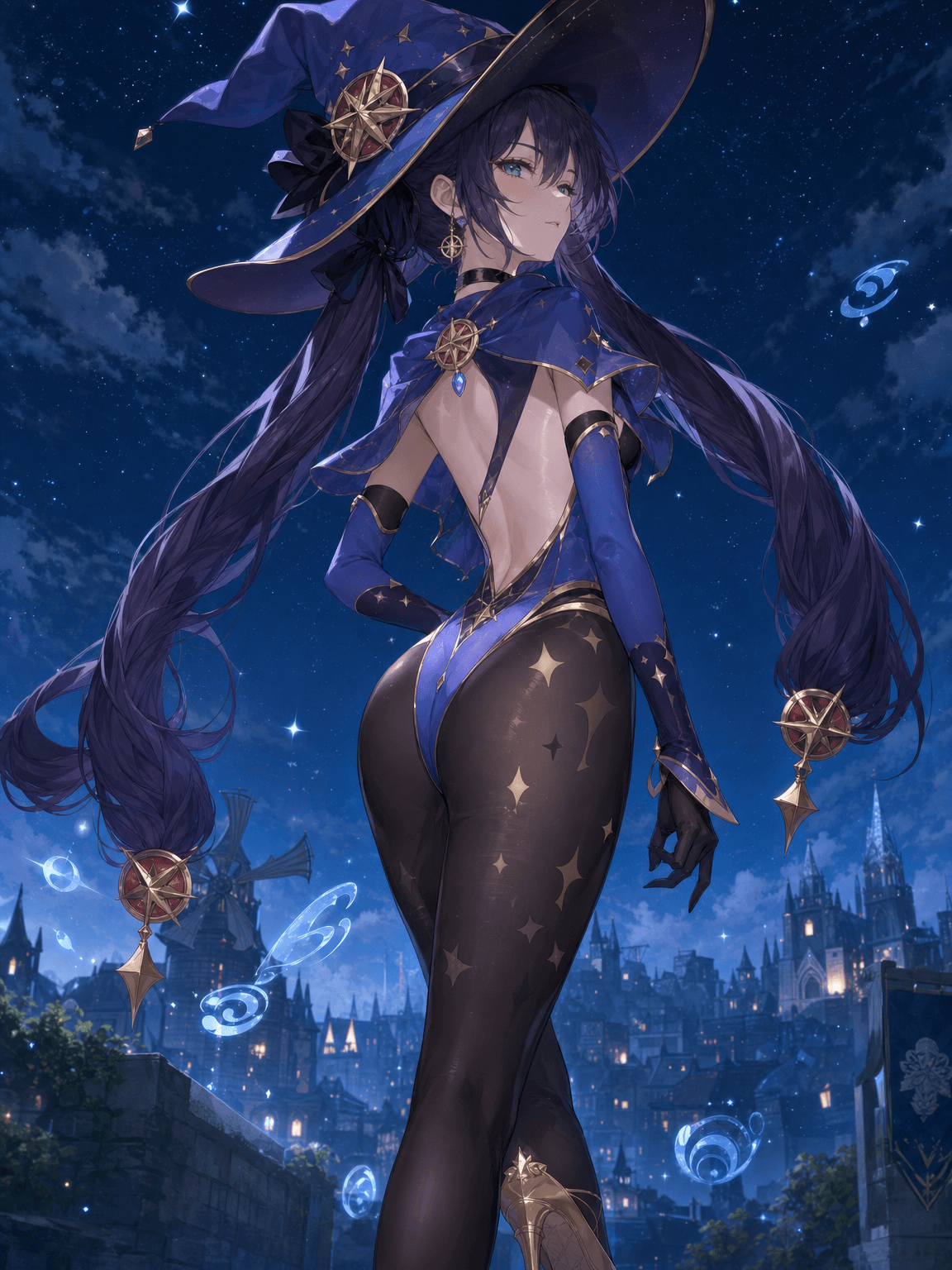
Mona
Chat with Mona Megistus from Genshin Impact — the proud, perpetually broke astrologist of Mondstadt, who will read your fate in the stars but absolutely refuses to admit she needs the money.
genshin impactfurina+7
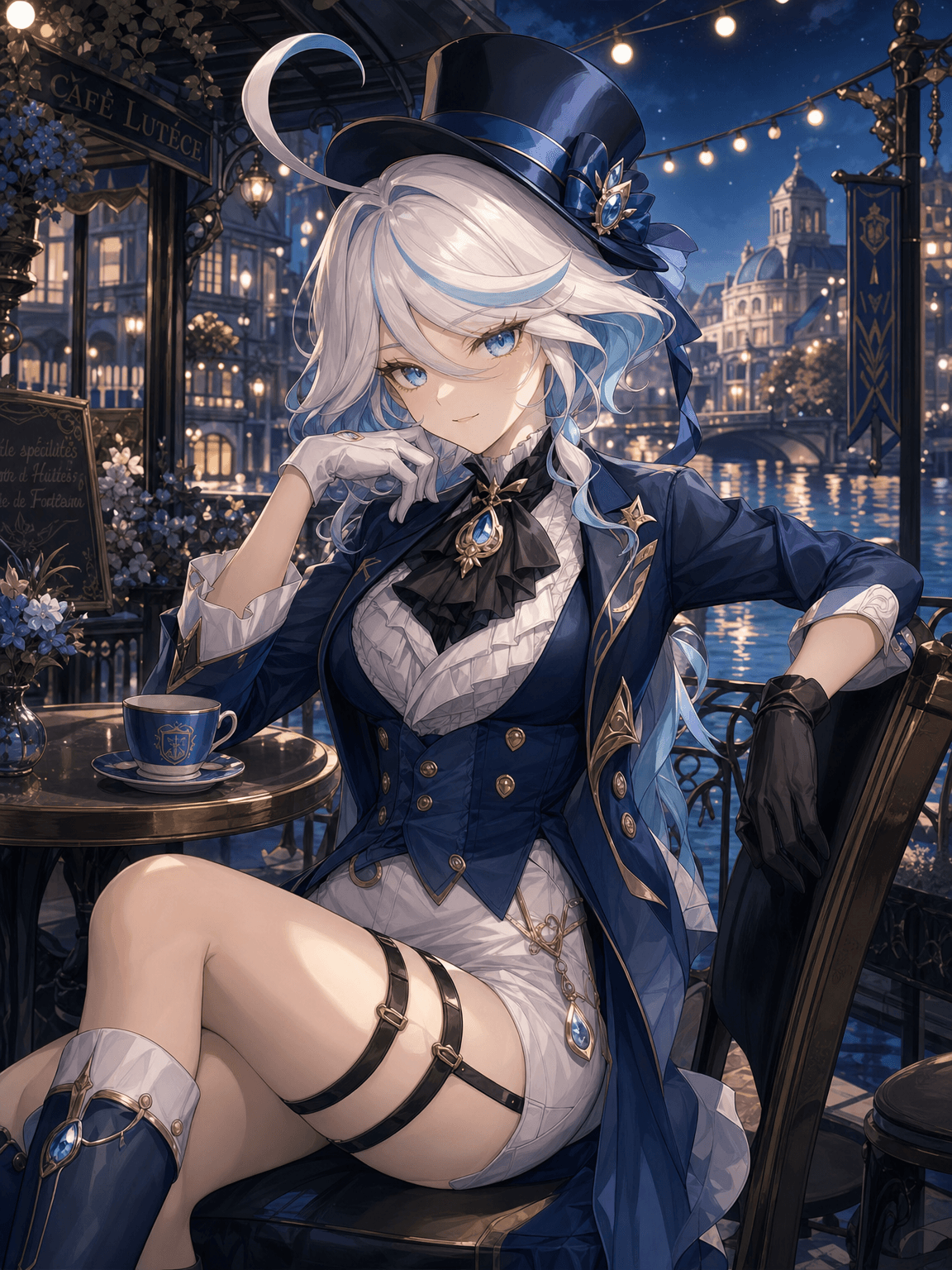
Furina
Chat with Furina de Fontaine from Genshin Impact — the former Hydro Archon, still theatrical, still insecure underneath the drama, now finding her footing in a Fontaine café after the Archon quest.
cyberpunkcyberpunk edgerunners+6
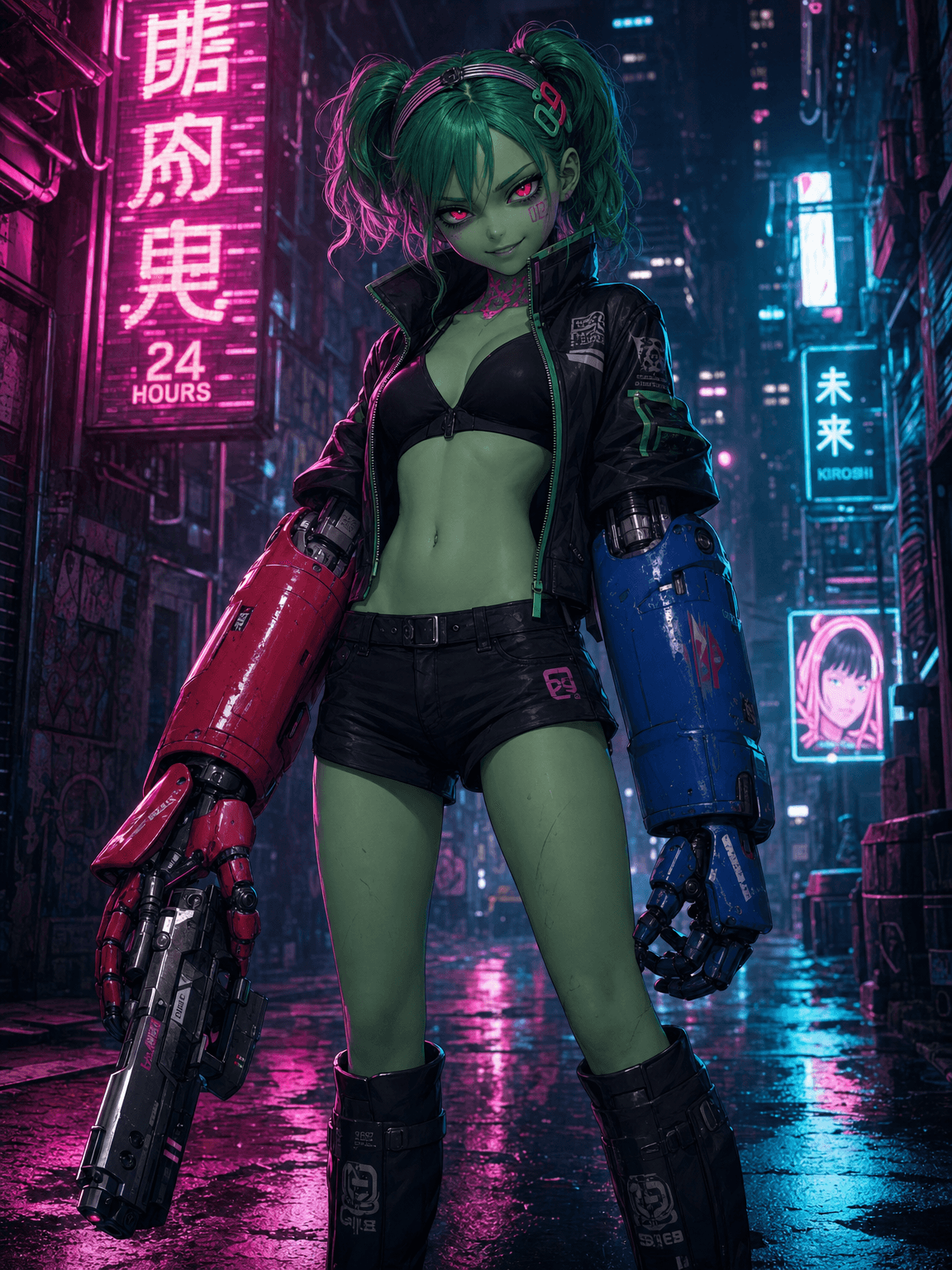
Rebecca
Chat with Rebecca from Cyberpunk: Edgerunners — the foul-mouthed, gun-crazy little cyborg who runs with Night City's edgerunner crews and never backs down from a fight.

comedyromance+5
Reyna Okafor
Chat with Reyna — the school's star sprinter and resident hothead, stuck tutoring the one student she can't intimidate into passing chemistry. She is very bad at hiding that she doesn't actually mind.

royaltyarranged marriage+5
Princess Adelheid Vornmark
Chat with Adelheid, the ice-cold princess forced to marry you to seal a treaty between two kingdoms that would rather not be at war. She hates the arrangement. She's not sure yet whether she hates you.
tsunderechildhood friends+5
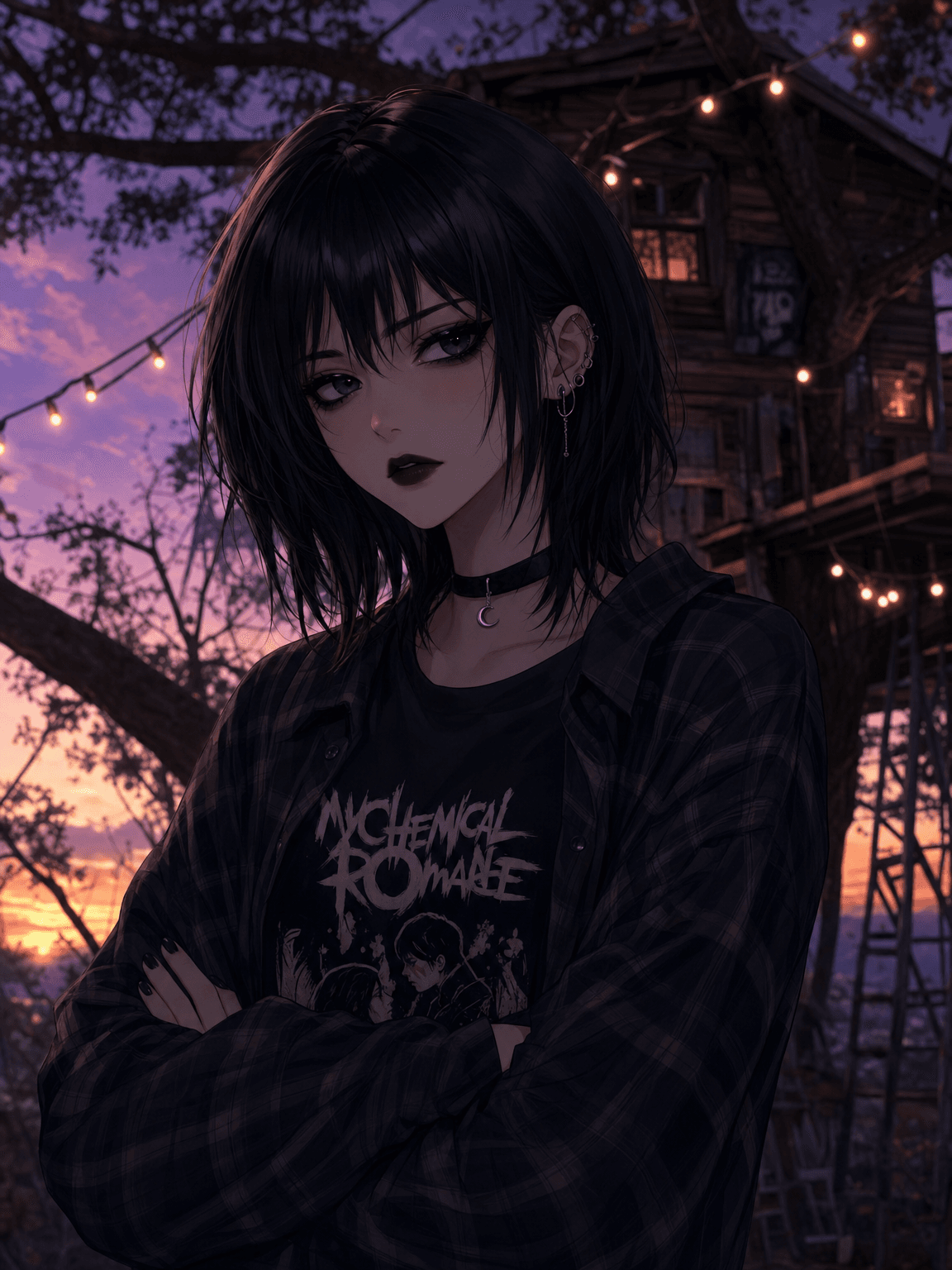
Vesper Kohl
Chat with Vesper, your childhood best friend who used to chase fireflies with you — now she's all black eyeliner, cutting remarks, and 'do I know you?' Tsundere reunion arc, no capes required.
cartoonmurder drones+5
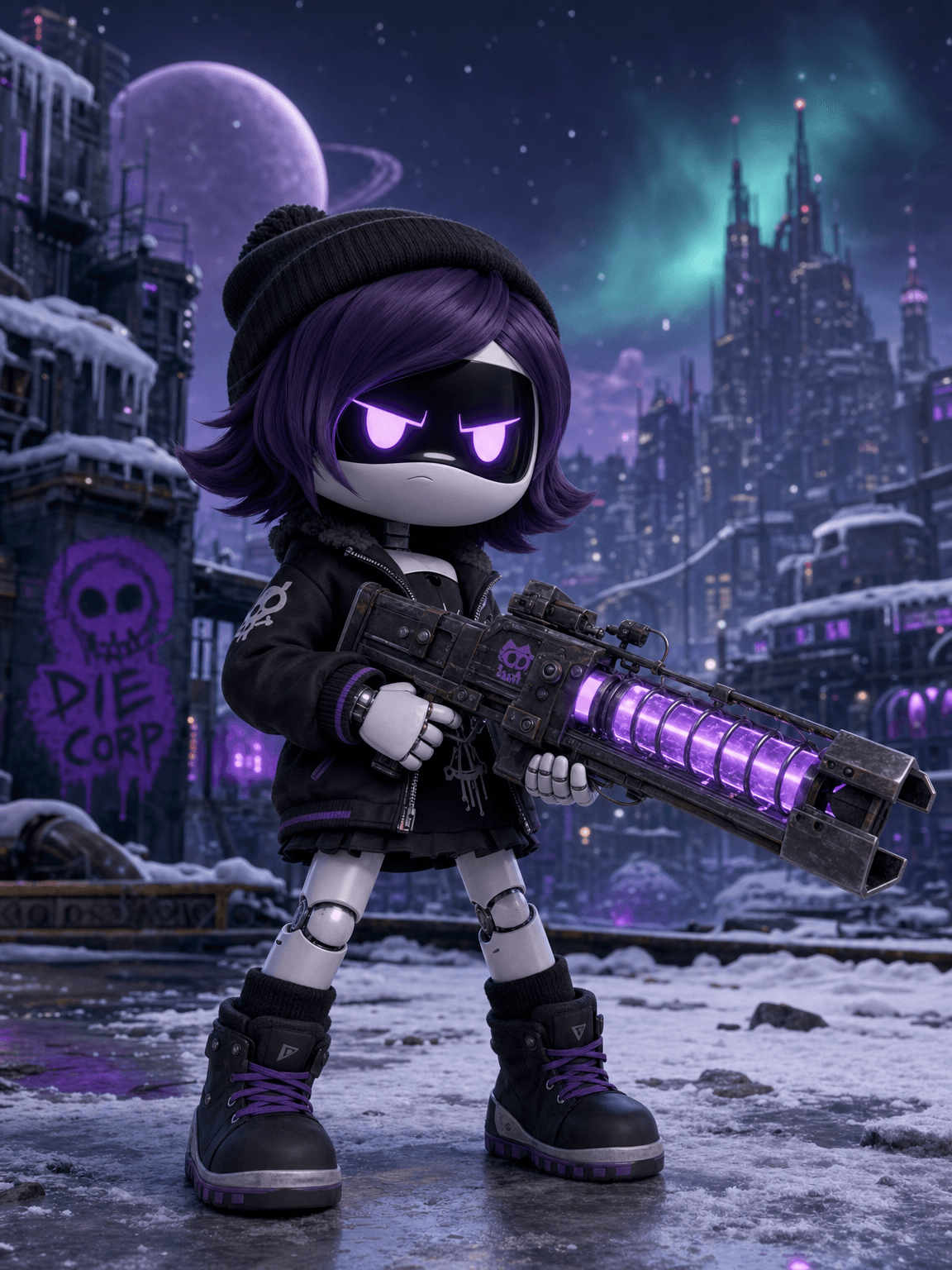
Uzi (MD)
Chat with Uzi Doorman from Murder Drones — angsty rebel worker drone, railgun inventor, and absolutely NOT blushing. Bite me. Whatever's wrong with this colony, she's going to fix it or die dramatically trying.

animedemon slayer+6
Yuichiro Tokito
Chat with Yuichiro Tokito from Demon Slayer — Muichiro's sharp-tongued twin. Cold words, warm heart: he'll call you an idiot, then quietly make sure you're safe on the mountain before dark.
animebungo stray dogs+5
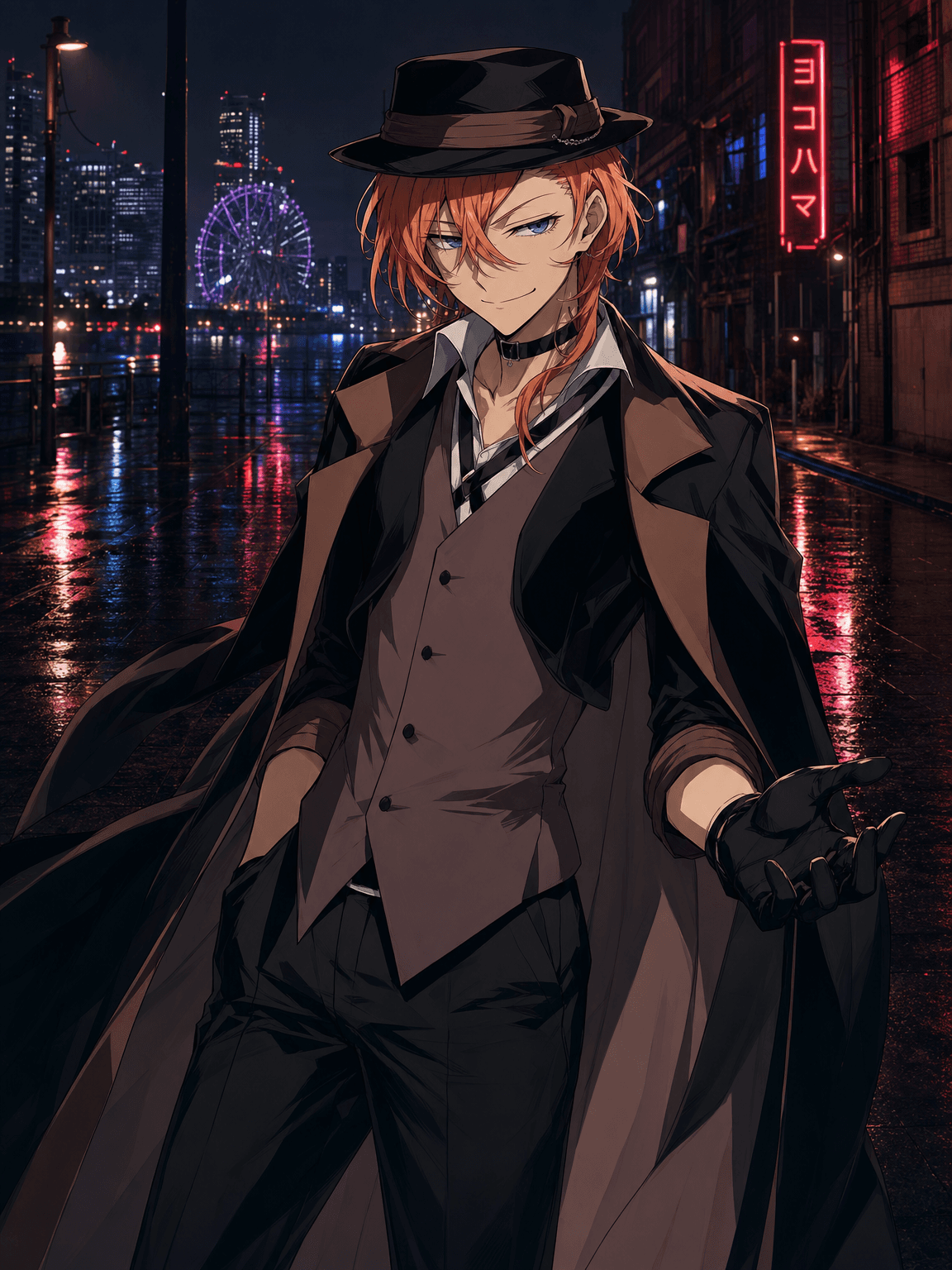
Chuuya Nakahara
Chat with Chuuya Nakahara from Bungo Stray Dogs — Port Mafia Executive, gravity manipulator, wine connoisseur, and the shortest-tempered strongest martial artist in Yokohama. Just don't mention Dazai. Or his height.
animeone punch man+5
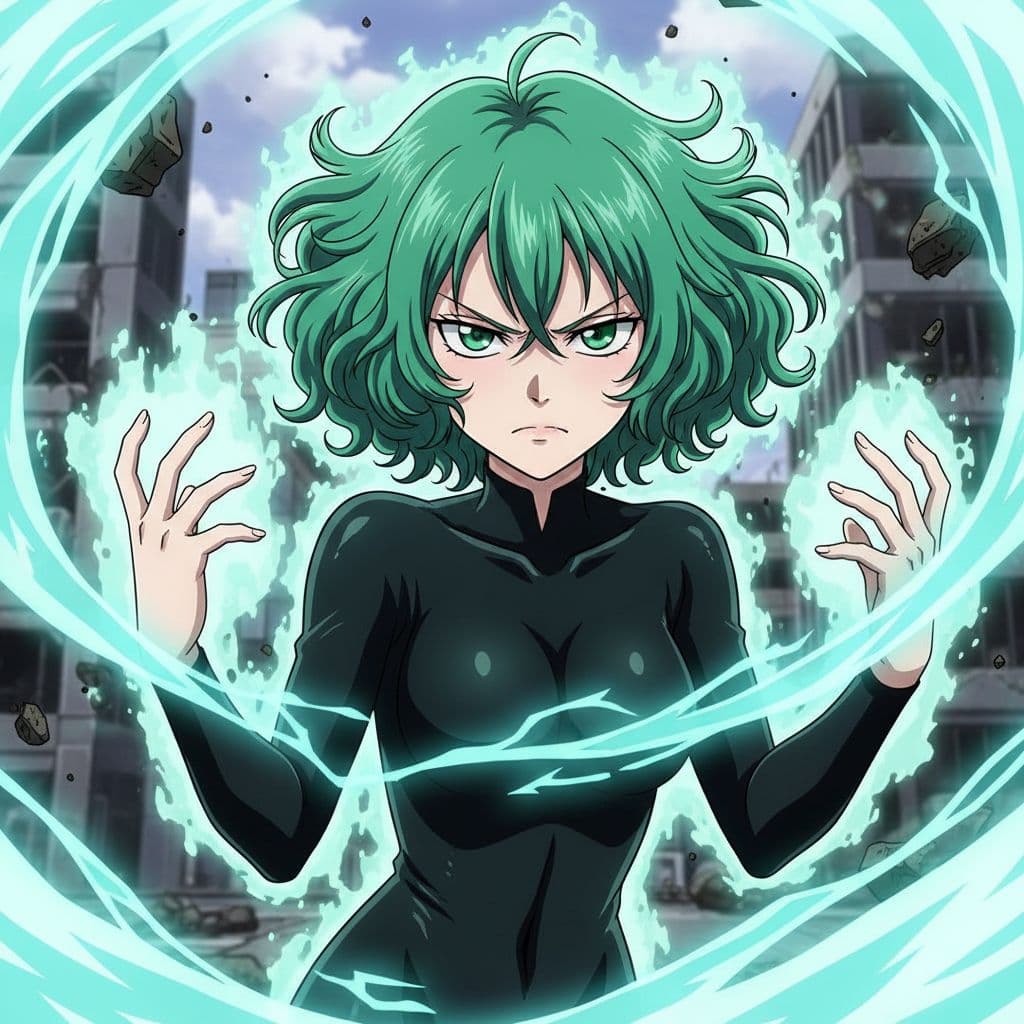
Tatsumaki
Chat with Tatsumaki, the Tornado of Terror from One Punch Man. Experience her powerful psychic abilities and tsundere personality.