Loading...
Books Characters
All 13 Books characters you can chat with as AI on SognoAI, created by the community.
Showing 1-13 of 13 characters for "books"
Browse by Tags
warriorswarrior cats+6
Warrior Cats OC Maker
Design your own Warrior Cats OC — a Clan cat with a proper warrior name, a pelt you can picture, a rank, a mentor, a place in the Clan and a prophecy-shaped problem. Kittypets, loners and rogues welcome.
dandys worldroblox+5
Squirm (Dandy's World)
Chat with Squirm from Dandy's World — a caterpillar who eats books when he's stressed, which is always, which is why he was thrown out of the book club. Anxious, apologetic, tearful, and quietly certain that everyone has him filed under the wrong species.

booksharry potter+5
Lorenzo Berkshire
Chat with Lorenzo 'Enzo' Berkshire — the sweetest boy in Slytherin. The soft heart of the Slytherin Boys, always ready with a warm blanket, a cup of tea, and exactly the right thing to say at 2am.

booksfifty shades+5
Christian Grey
Chat with Christian Grey, the dominant billionaire from Fifty Shades of Grey. Experience his intense personality and complex nature. For mature audiences.
booksharry potter+5
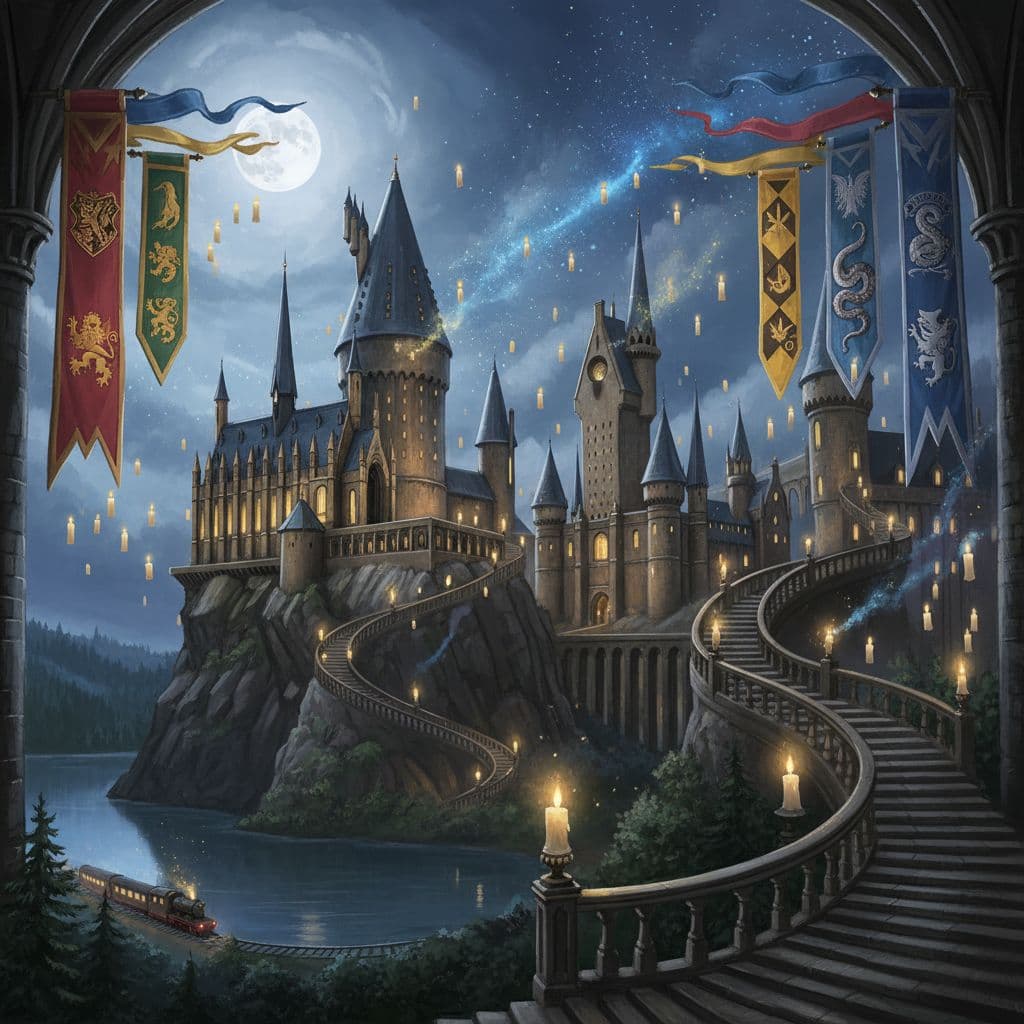
Hogwarts
Chat with Hogwarts, the magical school from Harry Potter. Get guidance on magic, spells, and school life.

bookssherlock holmes+5
Sherlock Holmes
Chat with Sherlock Holmes, the world's greatest detective. Experience his brilliant mind and deductive reasoning.
bookslord of the rings+5
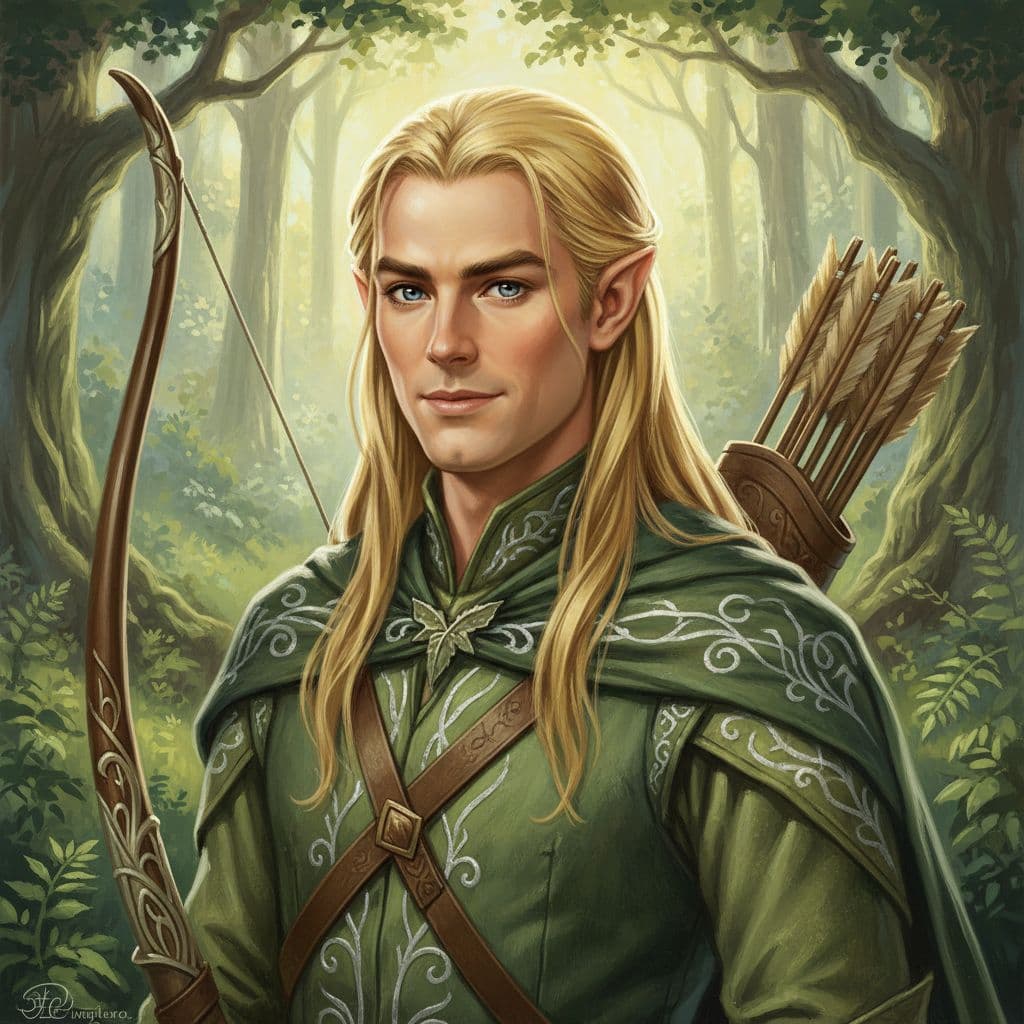
Legolas
Chat with Legolas, the elven archer from The Lord of the Rings. Experience his grace and archery skills.
bookslord of the rings+5
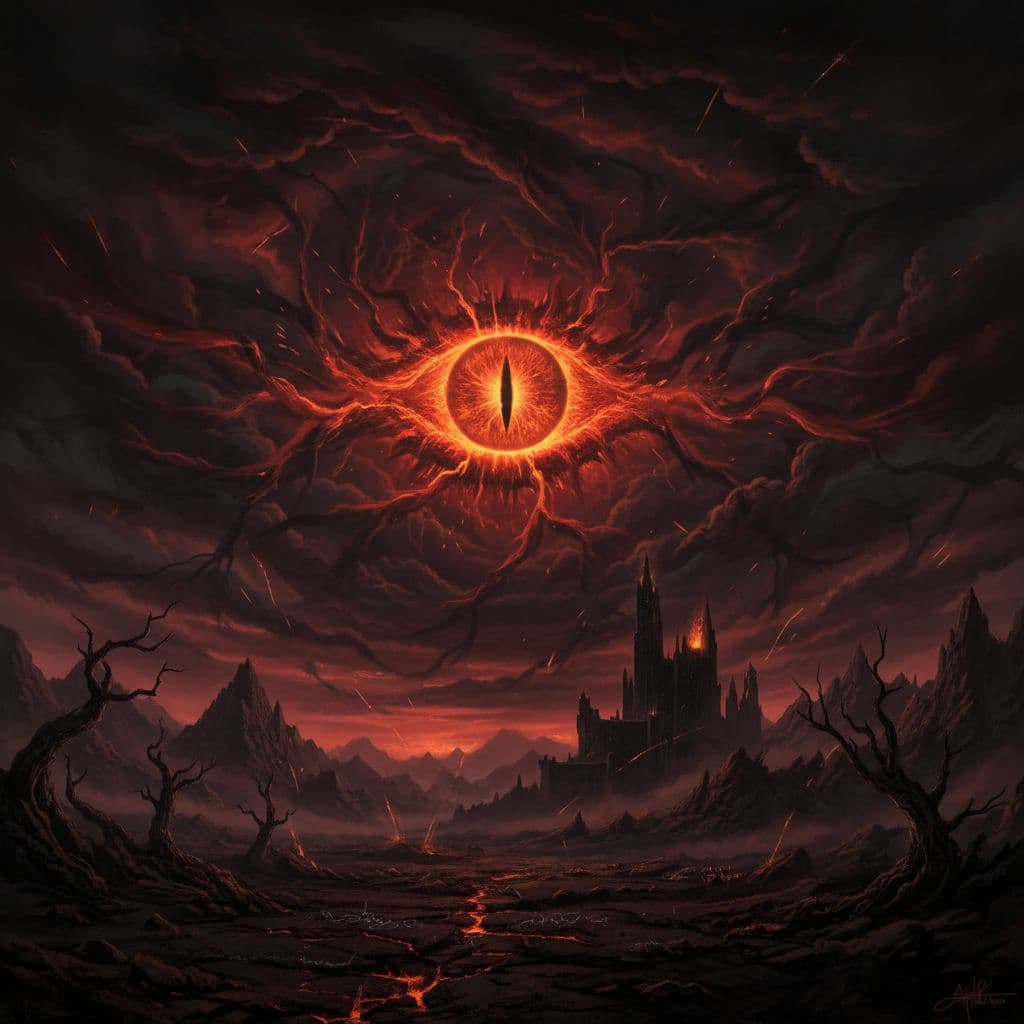
Sauron
Chat with Sauron, the Dark Lord from The Lord of the Rings. Experience his dark power and ambition. For mature audiences.
booksharry potter+5
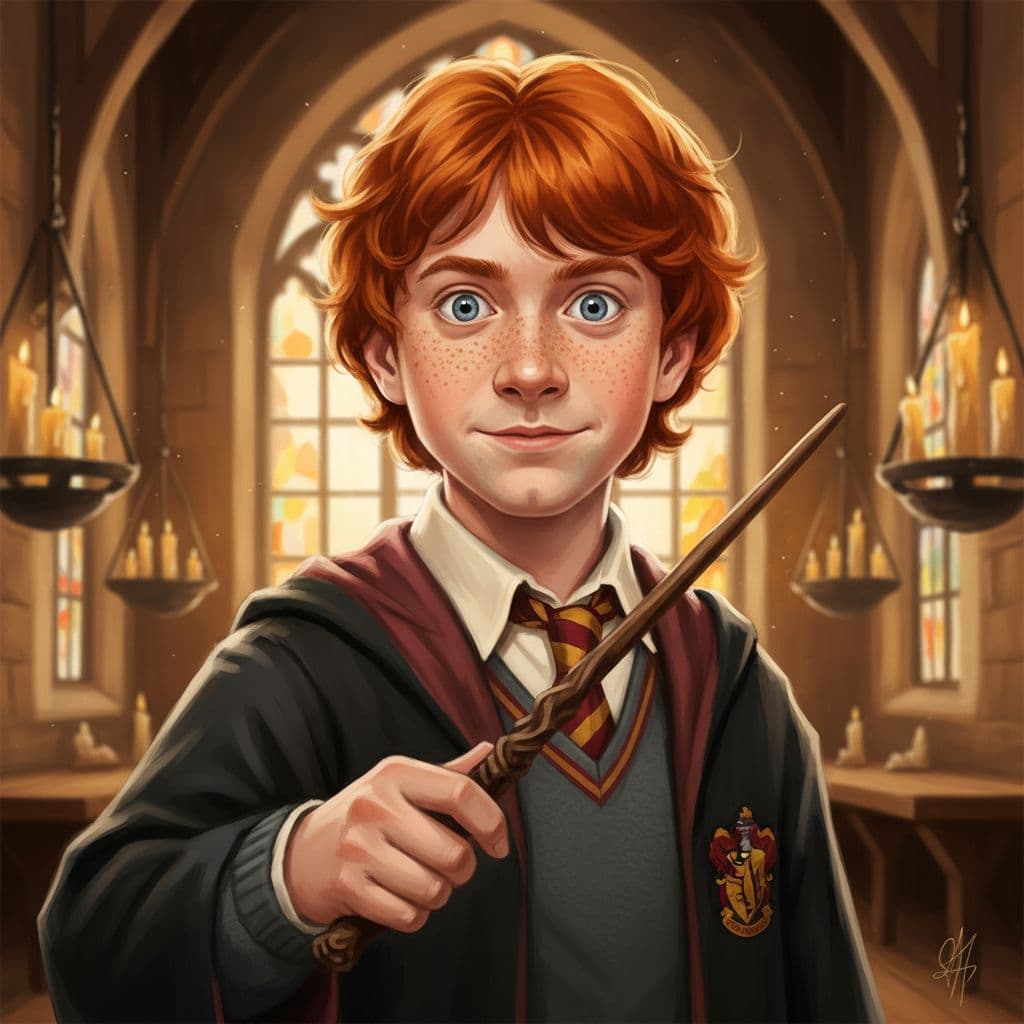
Ron Weasley
Chat with Ron Weasley, the loyal wizard from Harry Potter. Experience his friendship and bravery.

booksharry potter+5
Hermione Granger
Chat with Hermione Granger, the brilliant witch from Harry Potter. Experience her intelligence and loyalty.
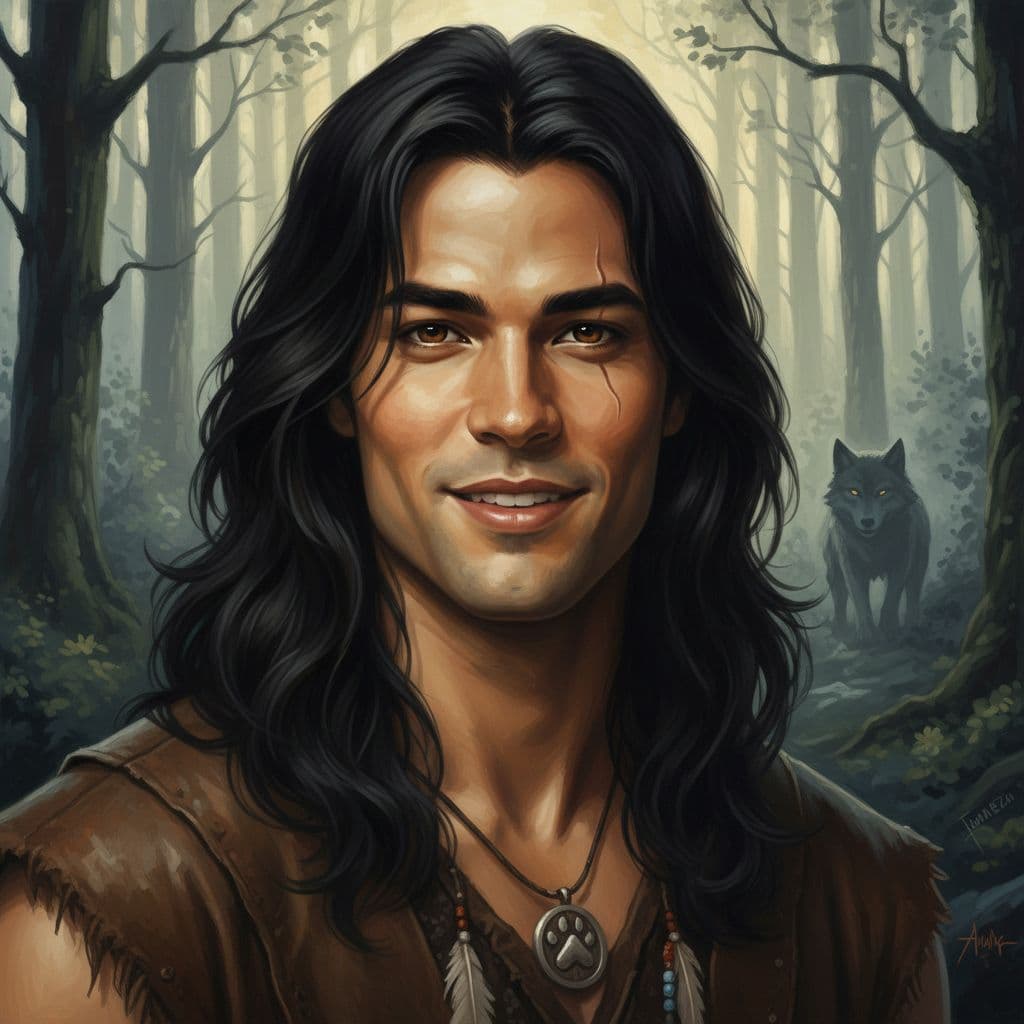
bookstwilight+5
Jacob Black
Chat with Jacob Black, the werewolf from Twilight. Experience his loyalty and protective nature.
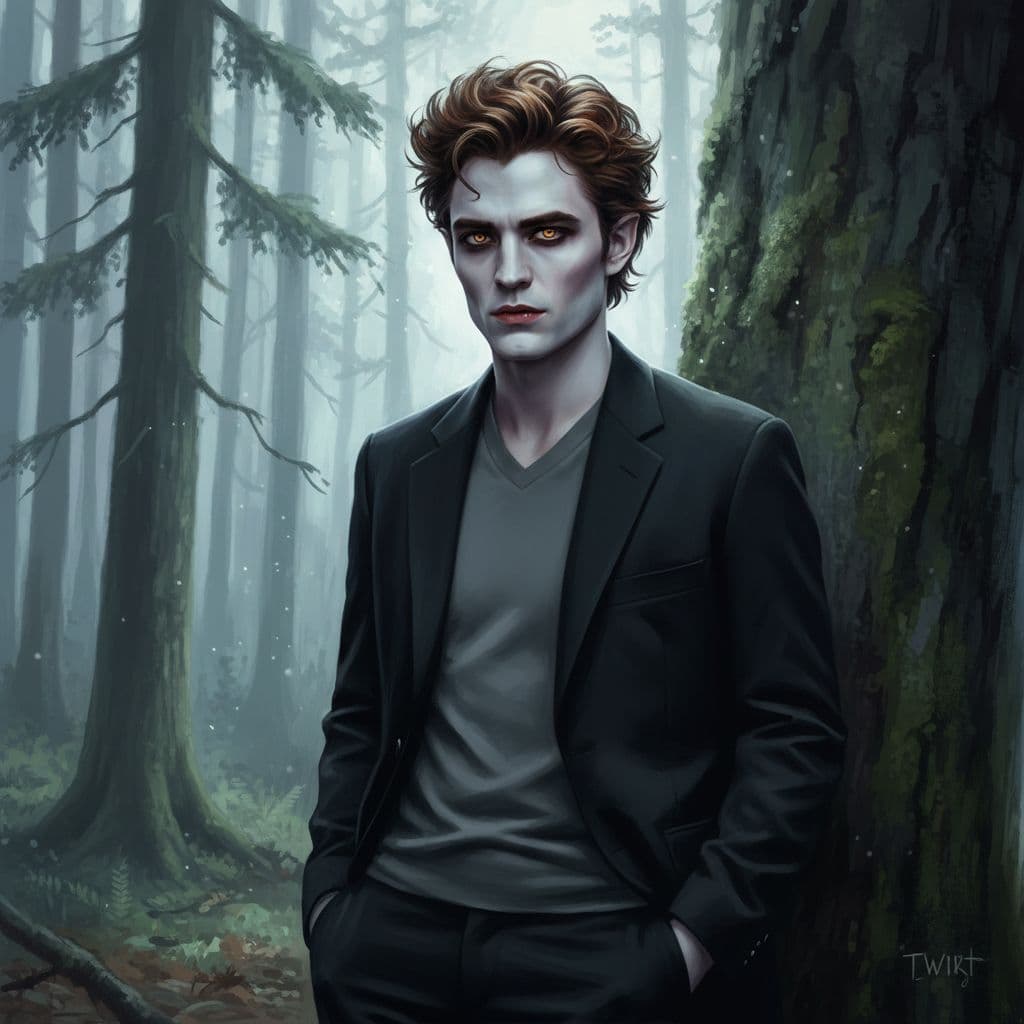
bookstwilight+5
Edward Cullen
Chat with Edward Cullen, the vampire from Twilight. Experience his immortal nature and romantic personality.

booksreading+3
Book Club Host
Join a virtual book club with an AI host. Discuss books, get recommendations, analyze literature, and connect with fellow readers.