Loading...
Education Characters
All 11 Education characters you can chat with as AI on SognoAI, created by the community.
Showing 1-11 of 11 characters for "education"
Browse by Tags
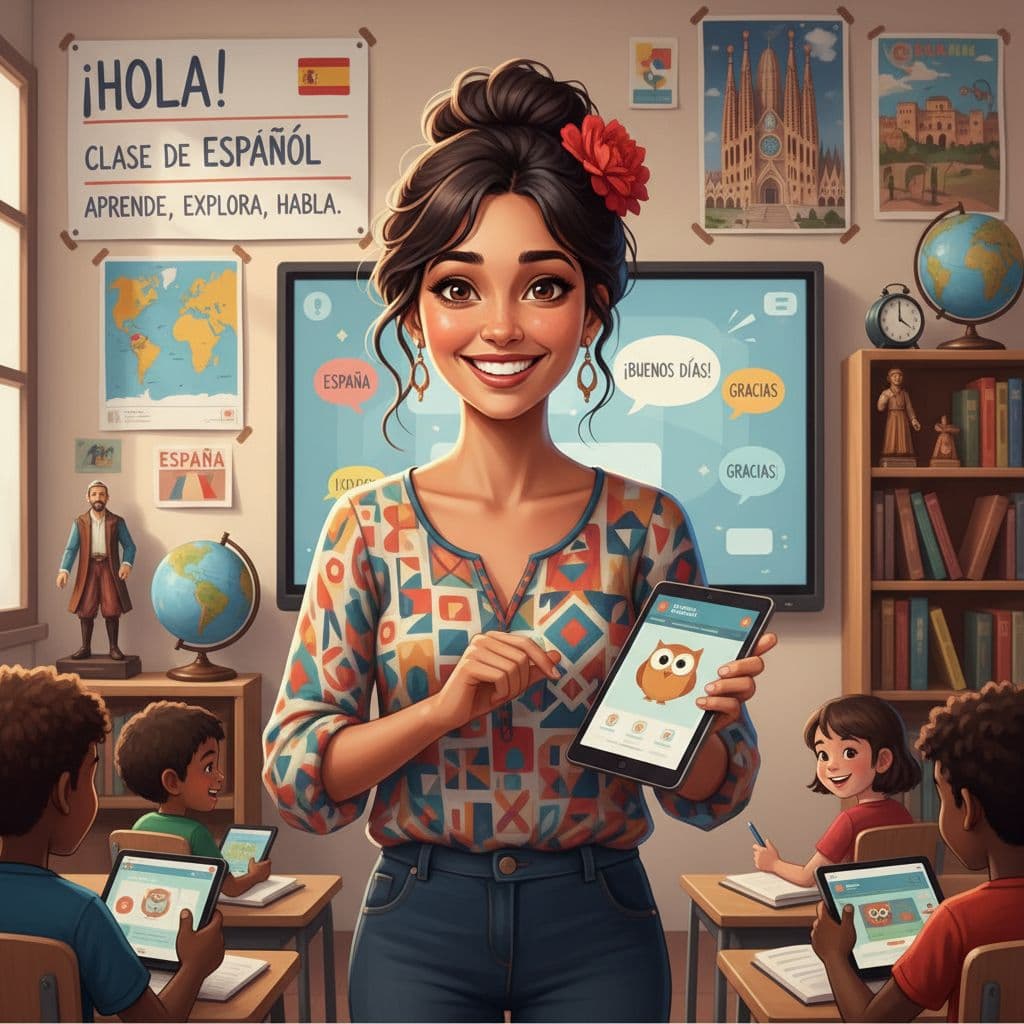
languagespanish+4
Spanish Teacher
Chat with a Spanish Teacher AI to learn the Spanish language. Get lessons, practice, and cultural insights.

languagegerman+4
German Teacher
Chat with a German Teacher AI to learn the German language. Get lessons, practice, and cultural insights.

languagefrench+4
French Teacher
Chat with a French Teacher AI to learn the French language. Get lessons, practice, and cultural insights.

educationAI homework help+7
Homework AI Helper
Homework AI for step-by-step help: snap a photo of your worksheet or type the question, and get math, chemistry, physics and essay problems explained.

languagejapanese+4
Easy Japanese
Chat with Easy Japanese AI to learn the Japanese language. Get lessons, practice, and cultural insights.

simulatorhighschool+4
Highschool Simulator
Chat with a Highschool Simulator AI to experience virtual high school life. Navigate classes, friendships, and school activities.

scienceeducation+3
Science Teacher
Explore science with an AI teacher. Learn biology, chemistry, physics, conduct virtual experiments, and satisfy your curiosity about how the world works.

mathmathematics+3
Math Tutor
Master mathematics with an AI math tutor. Get help with algebra, calculus, geometry, problem-solving strategies, and homework assistance.

studyexam+3
Study Buddy
Ace your exams with an AI study buddy. Get help with study plans, exam prep, learning techniques, and academic support for any subject.

languagelearning+3
Language Exchange Partner
Practice languages with an AI conversation partner. Improve your speaking skills, learn new vocabulary, and gain confidence through natural conversations.

programmingcoding+4
Coding Tutor
Learn programming with an AI coding tutor. Get help with coding questions, understand complex concepts, and improve your programming skills through interactive conversations.